




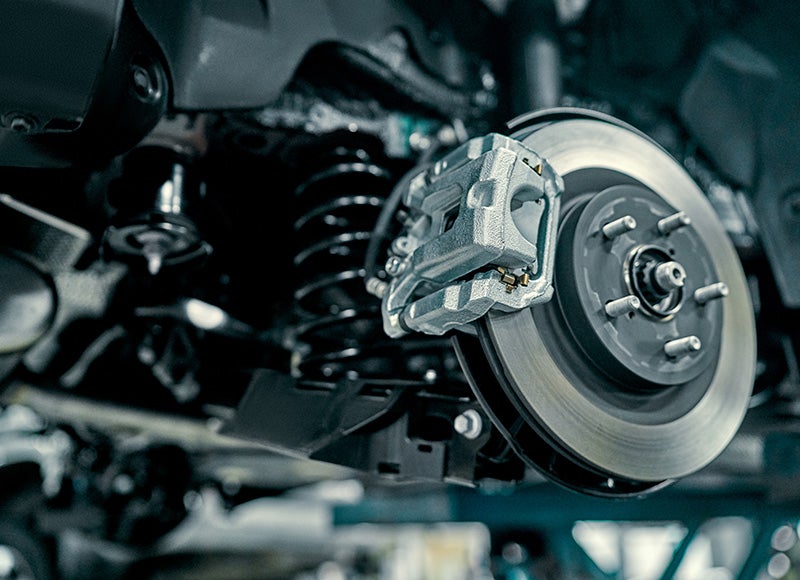
When to Replace Brake Pads: Signs Your Brakes Need Service You don't usually think about your brakes until you press the pedal and something feels off. If your car is taking a second longer to stop, or you're hearing a squeal every time you slow down in Stephenville, Texas, don't wait to get your brake pads checked. Replacing them is quick and relatively cheap; waiting until you hear metal grinding gets dangerous and leads to a very expensive repair job. Why Brake Pad Replacement is Important Understanding when to replace brake pads isn't just about preventing damage to your rotors - it's about keeping you, your passengers, and everyone else on the road safe. Brake pads are designed to wear down gradually over time, and the warning signs don't always show up all at once. Common Signs Your Brake Pads Are Worn Knowing when to replace brake pads starts with paying attention to what your vehicle is telling you. Here are the most common indicators that it's time for service. A high-pitched squealing sound when you apply the brakes is often the first sign most drivers notice. This noise is typically caused by a small metal wear indicator built into the brake pad specifically designed to alert you when the pad material is getting thin. If the squealing has progressed to a grinding noise, that's a more urgent warning. Grinding usually means the pad has worn down completely, and metal is hitting metal, which can damage your rotors quickly and increase your repair costs. Vibration or pulsing through the brake pedal is another sign. This can indicate uneven brake pad wear or warped rotors, both of which affect how effectively your vehicle stops. If your car is taking longer to stop, it’s a clear sign that your brakes aren’t performing as they should. If your vehicle seems to take more distance to come to a full stop, your brake pads may be overdue for replacement. Finally, if your brake warning light comes on, don't ignore it. Many vehicles are equipped with sensors that monitor brake pad thickness and alert you when service is needed. How Often Should Brake Pads Be Replaced There's no single answer to how often brake pads need to be replaced because it depends on your driving habits, vehicle type, and the conditions you drive in. Frequent stop-and-go traffic, towing, and aggressive driving all accelerate pad wear. As a general guideline, most brake pads should be inspected every 12,000 miles and replaced somewhere between 25,000 and 65,000 miles. If you spend time on rural roads or cover a lot of highway miles, you may find your pads last on the longer end of that range, while city driving tends to wear them out faster. The best approach is to have your brakes inspected during every routine maintenance visit so a qualified technician can assess the remaining pad thickness and overall condition of your braking system. Visit Us for Brake Service You Can Trust If you've noticed any of the signs described above, it's time to schedule a brake inspection. The service team at Bruner Stephenville CDJR is here to help drivers keep their vehicles running safely and reliably. Schedule your service appointment online today.
Windshield Repair and Replacement in Stephenville, TX: What Drivers Should Know
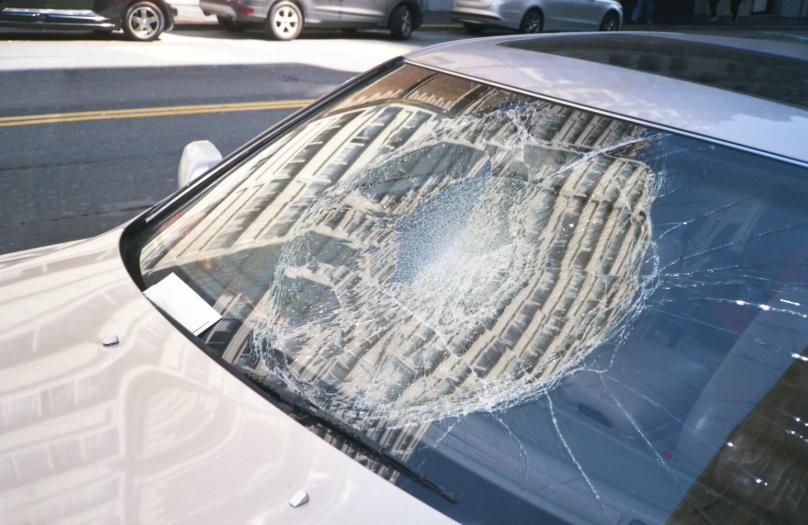
A rock flies up on the highway, and suddenly there is a chip in your windshield. It may look small enough to ignore, especially if it sits away from your direct view. But a chip can spread into a crack, and a crack can turn a simple repair decision into a windshield replacement. For drivers around Stephenville, the question is usually straightforward: Can this windshield be repaired, or does it need to be replaced? The answer depends on the size, location, and depth of the damage, along with the vehicle’s equipment. Whether you drive a Jeep Wrangler, a Ram truck, a Chrysler minivan, or a Dodge SUV, it is best to have the glass evaluated before the damage grows. Here is what to look for, what to expect from each service, and why newer vehicle technology matters when replacing a windshield. Why a Small Windshield Chip Deserves Attention A chip is easy to put off. You can still see the road, and the rest of the windshield may look fine. But glass damage does not always stay the same size. Temperature changes, road vibration, and another impact can cause a chip to spread. Texas driving brings plenty of chances for windshield damage. Loose gravel, road construction, and debris kicked up by other vehicles can all leave a mark. If you regularly travel between Stephenville, Dublin, Granbury, and the surrounding communities, you may notice a chip after a highway drive without ever hearing the impact. Checking the damage early gives a glass professional a better chance to determine whether a repair is possible. It also gives you time to make a considered choice before a growing crack affects your view of the road. When Can a Windshield Be Repaired? Windshield repair is often considered for a small chip or limited crack when the damage has not spread too far. During a typical repair, a technician cleans the damaged area, applies a specialized resin, and cures it. The goal is to stabilize the damage and improve the appearance of the glass. A repair may be an option when the damage is small, limited to an appropriate area of the windshield, and does not interfere with the driver’s view or vehicle equipment. The age and depth of the damage also matter. Dirt or moisture inside an older chip can complicate the work. A repaired chip may still leave a faint mark. That does not automatically mean the repair failed; the result depends on the original damage. A technician should explain what improvement to expect before the work begins. If you spot a fresh chip, take a clear photo and arrange an inspection. Avoid pressing on the damaged area or attempting to scrape anything out of it. A professional can assess whether windshield chip repair is suitable for your vehicle. When Is Windshield Replacement the Better Choice? Some damage cannot be repaired effectively. A windshield replacement may be needed when a crack is long or spreading, the damage is deep, or the affected area could interfere with the driver’s visibility. Damage near the edge of the glass or around a camera or sensor can also change the recommendation. Replacement involves removing the damaged windshield and installing glass that fits the vehicle’s specifications. The installer must also account for the equipment attached to or positioned behind the windshield. After installation, the adhesive needs sufficient time to set before the vehicle is driven. Your installer should provide a specific safe drive-away time and any care instructions. There is no reliable way to decide from a quick glance that every chip can be repaired or every crack requires replacement. An in-person assessment is the best way to choose the right service. Your Windshield May Be Part of Your Vehicle’s Technology On many newer Chrysler, Dodge, Jeep, and Ram vehicles, the windshield works alongside driver-assistance features. Depending on the model and trim, a camera near the rearview mirror may support features such as lane-related alerts or forward collision warnings. Replacing the glass can affect the position or view of that camera. Some vehicles require a calibration procedure after windshield replacement so the system can operate as designed. The exact steps depend on the vehicle. A Jeep Grand Cherokee, for example, may have different equipment and service requirements from a Ram 1500 or Chrysler Pacifica. When arranging replacement, provide the vehicle’s year, make, model, and trim. Ask the installer whether the vehicle has windshield-mounted safety equipment, whether calibration is required, and how that work will be handled. The service provider should follow the applicable vehicle procedures rather than assume the glass installation is the final step. Manufacturer service information for some vehicles specifically addresses camera calibration following windshield work. What to Do After You Notice Windshield Damage First, look at the damage from a safe, parked position. Note whether it is a small chip, a branching crack, or a line that has started to spread. Check whether it falls in your normal field of view, but do not let a clear view become the only reason to delay an inspection. Next, photograph the damage. A photo can help you describe it when requesting an appointment, though a technician will still need to evaluate the glass. If your vehicle has driver-assistance features, mention them when you call. You can also review your auto insurance policy before authorizing the work. Glass coverage, deductibles, and claim procedures vary by policy. Ask your insurer what applies to your vehicle, then compare those details with the repair or replacement estimate. Finally, ask for a clear explanation of the recommended work. If replacement is advised, find out what glass will be installed, whether camera calibration applies, when the vehicle will be ready to drive, and whether there are any instructions for the first day after installation. Keep Visibility in Mind Between Repairs Good windshield care will not prevent every flying rock, but it can help you see existing damage and other road hazards. Replace worn wiper blades when they streak or skip. Keep the glass clean, and check for chips when washing the vehicle. If a wiper blade drags over a damaged spot, have the glass inspected before the problem becomes harder to address. It is also useful to check the windshield after a long highway trip or a drive through a construction area. A new chip may be easier to assess before it collects dirt or begins to spread. Get Guidance for Your Chrysler, Dodge, Jeep, or Ram A chipped or cracked windshield deserves more than a guess. The right next step depends on the damage and the equipment in your specific vehicle. An inspection can help determine whether a repair is appropriate or whether replacement and possible calibration should be discussed. If you drive a Chrysler, Dodge, Jeep, or Ram in the Stephenville area, contact the Bruner Chrysler Dodge Jeep Ram service team to discuss your windshield damage and the next steps for your vehicle. Having your vehicle information and a photo of the damage ready can make that conversation easier.