




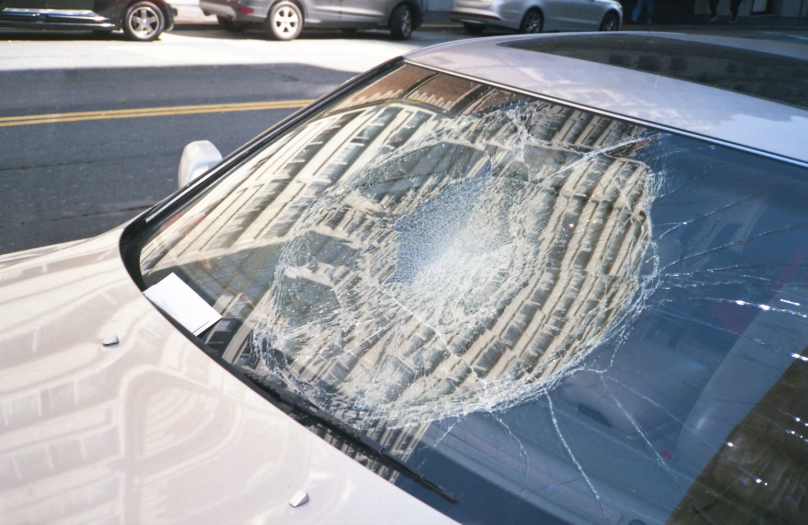
A rock flies up on the highway, and suddenly there is a chip in your windshield. It may look small enough to ignore, especially if it sits away from your direct view. But a chip can spread into a crack, and a crack can turn a simple repair decision into a windshield replacement. For drivers around Stephenville, the question is usually straightforward: Can this windshield be repaired, or does it need to be replaced? The answer depends on the size, location, and depth of the damage, along with the vehicle’s equipment. Whether you drive a Jeep Wrangler, a Ram truck, a Chrysler minivan, or a Dodge SUV, it is best to have the glass evaluated before the damage grows. Here is what to look for, what to expect from each service, and why newer vehicle technology matters when replacing a windshield. Why a Small Windshield Chip Deserves Attention A chip is easy to put off. You can still see the road, and the rest of the windshield may look fine. But glass damage does not always stay the same size. Temperature changes, road vibration, and another impact can cause a chip to spread. Texas driving brings plenty of chances for windshield damage. Loose gravel, road construction, and debris kicked up by other vehicles can all leave a mark. If you regularly travel between Stephenville, Dublin, Granbury, and the surrounding communities, you may notice a chip after a highway drive without ever hearing the impact. Checking the damage early gives a glass professional a better chance to determine whether a repair is possible. It also gives you time to make a considered choice before a growing crack affects your view of the road. When Can a Windshield Be Repaired? Windshield repair is often considered for a small chip or limited crack when the damage has not spread too far. During a typical repair, a technician cleans the damaged area, applies a specialized resin, and cures it. The goal is to stabilize the damage and improve the appearance of the glass. A repair may be an option when the damage is small, limited to an appropriate area of the windshield, and does not interfere with the driver’s view or vehicle equipment. The age and depth of the damage also matter. Dirt or moisture inside an older chip can complicate the work. A repaired chip may still leave a faint mark. That does not automatically mean the repair failed; the result depends on the original damage. A technician should explain what improvement to expect before the work begins. If you spot a fresh chip, take a clear photo and arrange an inspection. Avoid pressing on the damaged area or attempting to scrape anything out of it. A professional can assess whether windshield chip repair is suitable for your vehicle. When Is Windshield Replacement the Better Choice? Some damage cannot be repaired effectively. A windshield replacement may be needed when a crack is long or spreading, the damage is deep, or the affected area could interfere with the driver’s visibility. Damage near the edge of the glass or around a camera or sensor can also change the recommendation. Replacement involves removing the damaged windshield and installing glass that fits the vehicle’s specifications. The installer must also account for the equipment attached to or positioned behind the windshield. After installation, the adhesive needs sufficient time to set before the vehicle is driven. Your installer should provide a specific safe drive-away time and any care instructions. There is no reliable way to decide from a quick glance that every chip can be repaired or every crack requires replacement. An in-person assessment is the best way to choose the right service. Your Windshield May Be Part of Your Vehicle’s Technology On many newer Chrysler, Dodge, Jeep, and Ram vehicles, the windshield works alongside driver-assistance features. Depending on the model and trim, a camera near the rearview mirror may support features such as lane-related alerts or forward collision warnings. Replacing the glass can affect the position or view of that camera. Some vehicles require a calibration procedure after windshield replacement so the system can operate as designed. The exact steps depend on the vehicle. A Jeep Grand Cherokee, for example, may have different equipment and service requirements from a Ram 1500 or Chrysler Pacifica. When arranging replacement, provide the vehicle’s year, make, model, and trim. Ask the installer whether the vehicle has windshield-mounted safety equipment, whether calibration is required, and how that work will be handled. The service provider should follow the applicable vehicle procedures rather than assume the glass installation is the final step. Manufacturer service information for some vehicles specifically addresses camera calibration following windshield work. What to Do After You Notice Windshield Damage First, look at the damage from a safe, parked position. Note whether it is a small chip, a branching crack, or a line that has started to spread. Check whether it falls in your normal field of view, but do not let a clear view become the only reason to delay an inspection. Next, photograph the damage. A photo can help you describe it when requesting an appointment, though a technician will still need to evaluate the glass. If your vehicle has driver-assistance features, mention them when you call. You can also review your auto insurance policy before authorizing the work. Glass coverage, deductibles, and claim procedures vary by policy. Ask your insurer what applies to your vehicle, then compare those details with the repair or replacement estimate. Finally, ask for a clear explanation of the recommended work. If replacement is advised, find out what glass will be installed, whether camera calibration applies, when the vehicle will be ready to drive, and whether there are any instructions for the first day after installation. Keep Visibility in Mind Between Repairs Good windshield care will not prevent every flying rock, but it can help you see existing damage and other road hazards. Replace worn wiper blades when they streak or skip. Keep the glass clean, and check for chips when washing the vehicle. If a wiper blade drags over a damaged spot, have the glass inspected before the problem becomes harder to address. It is also useful to check the windshield after a long highway trip or a drive through a construction area. A new chip may be easier to assess before it collects dirt or begins to spread. Get Guidance for Your Chrysler, Dodge, Jeep, or Ram A chipped or cracked windshield deserves more than a guess. The right next step depends on the damage and the equipment in your specific vehicle. An inspection can help determine whether a repair is appropriate or whether replacement and possible calibration should be discussed. If you drive a Chrysler, Dodge, Jeep, or Ram in the Stephenville area, contact the Bruner Chrysler Dodge Jeep Ram service team to discuss your windshield damage and the next steps for your vehicle. Having your vehicle information and a photo of the damage ready can make that conversation easier.
Why Choose a Dealership Body Shop in Stephenville, TX?
A dent in your Ram 1500’s tailgate can be an everyday annoyance. A rear-end collision that leaves the same tailgate hard to close raises a different set of questions. Is the latch damaged? Did the impact affect the bumper or anything behind it? Will the shop need to check the backup camera? Getting those details sorted out is part of choosing a body shop that can explain the repair before you approve the work. At Bruner Chrysler Dodge Jeep Ram in Stephenville, we refer drivers to Bruner Collision & Glass, part of the Bruner Auto Family. The shop works on all makes and models and serves Stephenville, Dublin, Hico, Comanche, and surrounding communities. Whether you need collision repair for a Jeep Grand Cherokee, hail dent removal for a Dodge Durango, or windshield replacement for a Chrysler Pacifica, you can start with a free in-person estimate. Visit Bruner Collision & Glass. What a Free In-Person Estimate Can Tell You An estimate gives you a chance to show the team where the vehicle was hit and describe what has changed since. If your Ram’s tailgate takes more effort to latch or your Pacifica’s sliding door started rubbing after a side impact, mention that when you arrive. Details like those help the estimator understand how the damage is affecting the way you use the vehicle. The estimator can walk you through the visible damage and explain which steps may be needed, from repairing a dent to replacing and refinishing a panel. Some damage only becomes visible once a technician removes a bumper cover, trim piece, or exterior panel. Ask what the initial estimate includes and how the shop will contact you if the repair plan changes. If you’ve already opened an insurance claim, bring the claim number and your adjuster’s contact information. Find the Bruner Collision & Glass location in Stephenville. How a Dealership Collision Center Plans the Repair One benefit of choosing a dealership body shop is working with a team that uses manufacturer repair procedures to guide the work. The approach depends on the model, the vehicle’s equipment, and where the damage occurred. A dent in the middle of a Ram truck bed can call for a different repair than damage near a tailgate hinge or bumper mounting point. On a Jeep SUV, the estimate may also need to account for trim, wiring, or sensors near the damaged panel. Bruner Collision & Glass uses manufacturer repair procedures and original equipment manufacturer (OEM) parts in its collision repair work. Your estimate may list smaller pieces such as brackets and fasteners alongside a larger component such as a fender or bumper cover. Ask the estimator which pieces can be repaired, which need replacement, and whether any parts need to be ordered. If you’re comparing estimates, reviewing those details with each shop can help you see whether both estimates cover the same work. Explore Bruner’s auto body and collision repair services. Where Diagnostic Scans and Calibration Fit In Depending on its model and equipment, your Chrysler, Dodge, Jeep, or Ram may use cameras or sensors for features such as parking assistance, lane departure warnings, or forward collision warnings. A repair near a bumper or windshield can involve the hardware those features rely on. The vehicle’s equipment and the manufacturer’s repair procedures help the technician determine which checks apply. A diagnostic scan checks for faults the vehicle has recorded. Calibration aligns a camera or sensor according to the vehicle’s specifications when the repair calls for it. Bruner Collision & Glass includes pre- and post-repair scans in its collision repair process and offers advanced driver assistance system (ADAS) calibration. If your repair involves a windshield or an area around a camera or sensor, ask the team which services your vehicle needs and how they’ll document the work. See Bruner's repair and calibration services. Hail Damage, Door Dings, and Auto Glass Repair in One Place A collision center can also help with damage from a hailstorm, a crowded parking lot, or road debris. For a Jeep Wrangler with several shallow hail dents, the team can assess whether paintless dent repair is an option. This method reshapes the panel while preserving the existing finish. Whether it’s suitable depends on where the dent sits, how deep it is, whether the technician can access it, and what condition the paint is in. A sharp crease with cracked paint may call for traditional bodywork and refinishing. Browse Bruner’s hail damage and dent repair services. Auto glass is another reason to visit. The shop can look at a windshield chip or crack and explain whether repair or replacement makes sense based on its size, location, and extent. If your vehicle has a windshield-mounted camera, the advisor can also explain whether replacement calls for calibration. Having body and glass services at one location is convenient when one incident leaves dents on the hood, scratches on a fender, and a crack in the windshield. View Bruner’s auto glass and windshield services. What Happens While Your Vehicle Is in the Shop? After the initial assessment, your advisor can explain the expected timeline and what might affect it. An ordered part, additional damage found during disassembly, or an insurance review can change the projected pickup date. If your Ram is your work truck or your Pacifica handles the daily school run, ask when you can expect the next update so you can plan around it. Bruner Collision & Glass works with insurance companies and can help coordinate towing and rental arrangements. If you’re using insurance, ask the shop how it handles an updated estimate if more damage is found. Your insurer can explain your deductible, rental coverage, and any limits that apply to your policy. That way, you know whom to call about the repair itself and whom to call about what your policy covers. What to Review at Pickup When your vehicle is ready, take a few minutes to walk around it with your advisor. If the shop worked on your Ram’s tailgate, ask the advisor to show you how it closes and explain which components were repaired or replaced. If a panel on your Dodge was refinished, ask whether it needs any special care when you wash it. If the repair involved scans or calibration, ask where that work appears in your paperwork. Bruner Collision & Glass backs its work with a written lifetime warranty for as long as you own the vehicle. Keep a copy of the warranty with your final invoice so you have both on hand if you have a question after pickup. A local Stephenville shop also gives you a familiar team to call if you want to follow up on the work. Schedule a Free Collision Repair Estimate in Stephenville, TX From bumper damage on a Dodge Durango to hail dents on a Ram 1500 or cracked glass on a Jeep Wrangler, Bruner Collision & Glass can inspect your vehicle, explain your options, and help you plan the next step. The shop welcomes Chrysler, Dodge, Jeep, Ram, and vehicles from other manufacturers. Call (254) 968-2135 to schedule a free in-person estimate at 750 E Rd, Stephenville, TX 76401.