




When to Replace Brake Pads: Signs Your Brakes Need Service
You don't usually think about your brakes until you press the pedal and something feels off. If your car is taking a second longer to stop, or you're hearing a squeal every time you slow down in Stephenville, Texas, don't wait to get your brake pads checked. Replacing them is quick and relatively cheap; waiting until you hear metal grinding gets dangerous and leads to a very expensive repair job.
Why Brake Pad Replacement is Important
Understanding when to replace brake pads isn't just about preventing damage to your rotors - it's about keeping you, your passengers, and everyone else on the road safe. Brake pads are designed to wear down gradually over time, and the warning signs don't always show up all at once.
Common Signs Your Brake Pads Are Worn
Knowing when to replace brake pads starts with paying attention to what your vehicle is telling you. Here are the most common indicators that it's time for service.
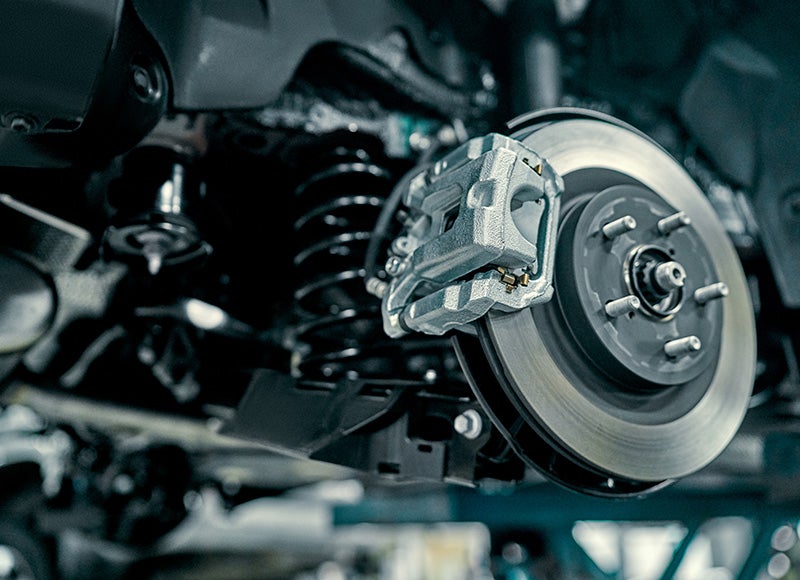
- A high-pitched squealing sound when you apply the brakes is often the first sign most drivers notice. This noise is typically caused by a small metal wear indicator built into the brake pad specifically designed to alert you when the pad material is getting thin.
- If the squealing has progressed to a grinding noise, that's a more urgent warning. Grinding usually means the pad has worn down completely, and metal is hitting metal, which can damage your rotors quickly and increase your repair costs.
- Vibration or pulsing through the brake pedal is another sign. This can indicate uneven brake pad wear or warped rotors, both of which affect how effectively your vehicle stops.
- If your car is taking longer to stop, it’s a clear sign that your brakes aren’t performing as they should. If your vehicle seems to take more distance to come to a full stop, your brake pads may be overdue for replacement.
- Finally, if your brake warning light comes on, don't ignore it. Many vehicles are equipped with sensors that monitor brake pad thickness and alert you when service is needed.
How Often Should Brake Pads Be Replaced
There's no single answer to how often brake pads need to be replaced because it depends on your driving habits, vehicle type, and the conditions you drive in. Frequent stop-and-go traffic, towing, and aggressive driving all accelerate pad wear.
As a general guideline, most brake pads should be inspected every 12,000 miles and replaced somewhere between 25,000 and 65,000 miles. If you spend time on rural roads or cover a lot of highway miles, you may find your pads last on the longer end of that range, while city driving tends to wear them out faster.
The best approach is to have your brakes inspected during every routine maintenance visit so a qualified technician can assess the remaining pad thickness and overall condition of your braking system.
Visit Us for Brake Service You Can Trust
If you've noticed any of the signs described above, it's time to schedule a brake inspection. The service team at Bruner Stephenville CDJR is here to help drivers keep their vehicles running safely and reliably. Schedule your service appointment online today.