




Bruner Chrysler Dodge Jeep Ram

Blog / Buyer's Guide

Electric Vehicles vs Hybrid Vehicles: Pros and Cons

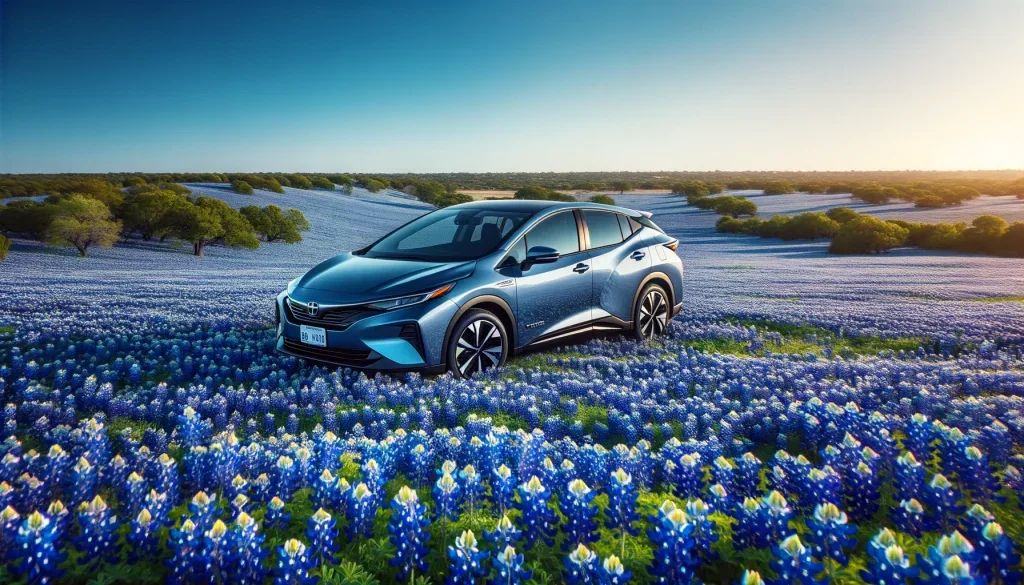
Blue hybrid car in a field of blue flowers

Electric vehicles (EVs) and hybrid vehicles (HEVs) represent two innovative approaches in the automotive industry aimed at reducing reliance on fossil fuels and decreasing emissions. Each type offers distinct benefits and challenges, shaping consumer choice based on lifestyle, economic considerations, and environmental impact. Here, we explore these two types of vehicles, including a specific look at an example from the EV market, the Hummer Electric Vehicle.

Advantages of Electric Vehicles (EVs)

  • Zero Emissions: EVs operate solely on electric power, which means they emit no pollutants from their exhaust systems. This starkly contrasts with internal combustion engines and even hybrids, which still emit some pollutants when the gasoline engine is in use.
  • Reduced Operating Costs: Electric vehicles are generally cheaper to maintain than their gasoline-powered counterparts. They have fewer moving parts, which reduces the likelihood of mechanical failures. The cost of electricity to power an EV can also be significantly lower than the cost of gasoline, depending on local energy prices.
  • Performance Benefits: Electric motors provide instant torque, which can enhance the acceleration capabilities of EVs compared to traditional engines. This results in a smoother and often more responsive driving experience.
  • Government Incentives: Many governments offer tax rebates, incentives, and benefits to encourage the adoption of EVs, including reduced registration costs and exemptions from certain fees. Learn about the tax credits for hybrid and electric vehicles at FuelEconomy.gov.

Disadvantages of Electric Vehicles

  • Range Anxiety: Despite advancements in battery technology, many EVs still offer a limited range compared to gasoline vehicles. This can be a concern for users who travel long distances frequently.
  • Charging Time: While refueling a gasoline car takes minutes, charging an electric car can take several hours depending on the charging station and the battery's capacity. However, the advent of fast-charging technology is beginning to mitigate this issue.
  • Higher Initial Purchase Price: Generally, EVs are more expensive to purchase than comparable gasoline and hybrid cars. This is largely due to the high cost of battery technology, though prices are steadily decreasing.

Advantages of Hybrid Vehicles (HEVs)

  • Fuel Efficiency: Hybrids offer great fuel efficiency by combining an electric motor with a gasoline engine. The electric motor can power the car at lower speeds, and the gasoline engine can kick in for higher speeds or when additional power is needed, reducing overall fuel consumption.
  • Flexibility: Hybrids eliminate range anxiety as they can switch to gasoline when the battery is depleted. This makes them a more versatile choice for many drivers.
  • Lower Emissions Than Gasoline Vehicles: By utilizing both an electric motor and a gasoline engine, hybrids can significantly reduce emissions compared to traditional cars, although they are not as clean as pure electric vehicles.

Disadvantages of Hybrid Vehicles

  • Complexity and Maintenance: Hybrids are more complex than either purely gasoline or electric vehicles. This complexity can lead to higher maintenance costs and potential reliability issues.
  • Less Efficient on Highways: While hybrids are most efficient in stop-and-go traffic where the electric motor is most beneficial, their advantages diminish at highway speeds where the gasoline engine dominates.
  • Cost: Hybrids can be more expensive than traditional vehicles due to their dual-system components.

Case Example: Chrysler Pacifica Plug-In Hybrid

Family party in front of Chrysler

The Chrysler Pacifica Plug-In Hybrid represents a significant advancement in hybrid vehicle technology, particularly in the minivan segment. It combines the practicality and spaciousness that families need with the efficiency and environmental benefits of hybrid technology. The Pacifica Plug-In Hybrid is equipped with a 16-kWh lithium-ion battery that allows it to run up to 32 miles purely on electric power. When the electric charge is depleted, it seamlessly switches to its gasoline engine, offering a total range of over 500 miles.

This model showcases the benefits of plug-in hybrid technology, particularly in terms of reducing fuel consumption and emissions for typical family use. Drivers can complete most short daily commutes entirely on electric power, significantly cutting down on fuel use and costs. For longer trips, the gasoline engine ensures that the vehicle can travel as far as a traditional gas-powered vehicle without the need for frequent stops to recharge.

Moreover, the Pacifica Plug-In Hybrid doesn't compromise on performance. It delivers a combined power output of 260 horsepower, providing a robust and responsive driving experience. It also comes with regenerative braking, which recaptures energy during braking to recharge the battery, enhancing overall efficiency.

The Chrysler Pacifica Plug-In Hybrid not only exemplifies the practical application of hybrid technology in family vehicles but also highlights the potential for significant environmental impact reduction without sacrificing the utility and performance that drivers expect from a large vehicle. In conclusion, both EVs and HEVs offer unique advantages and come with their own set of challenges. The choice between an electric and a hybrid vehicle will largely depend on individual needs, preferences, and priorities, with considerations for environmental impact, technology, cost, and driving habits playing pivotal roles. Contact us to discuss your individual electric vehicle needs.
Posted in:

Related Posts

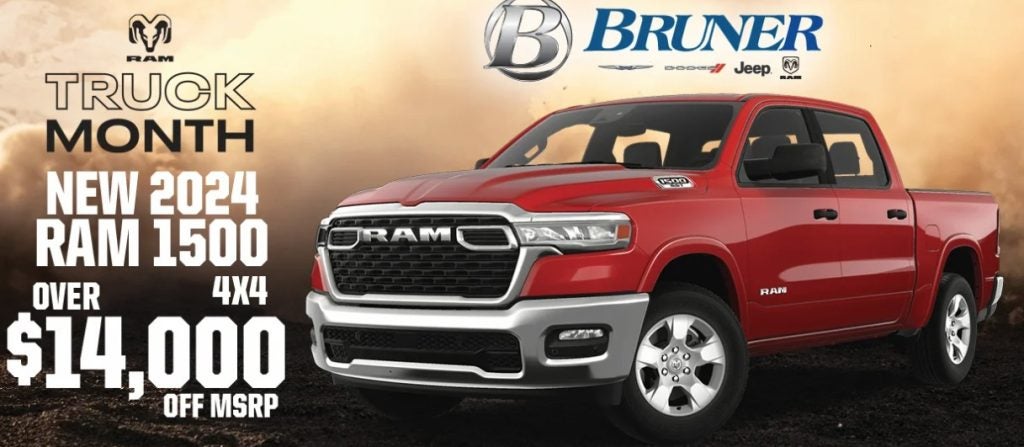
Ram Truck Month - new 2024 Ram 1500 4x4 is over $14,000 off MSRP

Ram 1500 vs. Ford F-150: Why the Ram 1500 Reigns Supreme

When it comes to full-size pickup trucks, the Ram 1500 and Ford F-150 are two of the biggest names in the game. But while the F-150 may have brand recognition, the Ram 1500 outshines its rival in nearly every category—offering superior comfort, technology, and performance that truck owners truly appreciate. Power and Performance Both trucks offer a variety of engines, but the Ram 1500’s lineup includes the legendary 5.7L HEMI® V8 with eTorque, delivering 395 horsepower and 410 lb-ft of torque —paired with a mild hybrid system for added efficiency and towing power. The Ford F-150’s 5.0L V8 makes the same horsepower but lacks the Ram’s eTorque technology, making it feel less refined under heavy loads. Ride and Comfort One of the biggest advantages of the Ram 1500 is its class-exclusive rear coil-spring suspension. While the Ford F-150 still relies on old-school leaf springs, the Ram delivers a smoother, more comfortable ride—whether you're hauling a trailer or cruising the highway. For even more luxury, the available Active-Level™ Four Corner Air Suspension sets Ram apart by automatically adjusting ride height for aerodynamics and capability. Interior and Technology Step inside, and the Ram 1500 immediately feels more upscale. High-end trims like the Limited and Longhorn feature real wood, leather, and a massive 12-inch Uconnect® touchscreen, dwarfing Ford’s smaller infotainment offerings. Plus, Ram’s rear reclining seats add next-level comfort the F-150 doesn’t offer. Price and Value The Ram 1500 offers more premium features at a better value. While the Ford F-150 can get pricey when adding options, Ram’s base models come with superior standard features and a more refined feel. The choice is clear The Ford F-150 may be popular, but the Ram 1500 wins in ride quality, luxury, and technology. If you want the best full-size truck on the market, Ram is the way to go. See our full inventory online, or stop by for a test drive! *Image Disclaimer: STK #242119. After all rebates and offers. Plus TTL and doc fee. Photos for illustrative purposes only. See dealer for details.

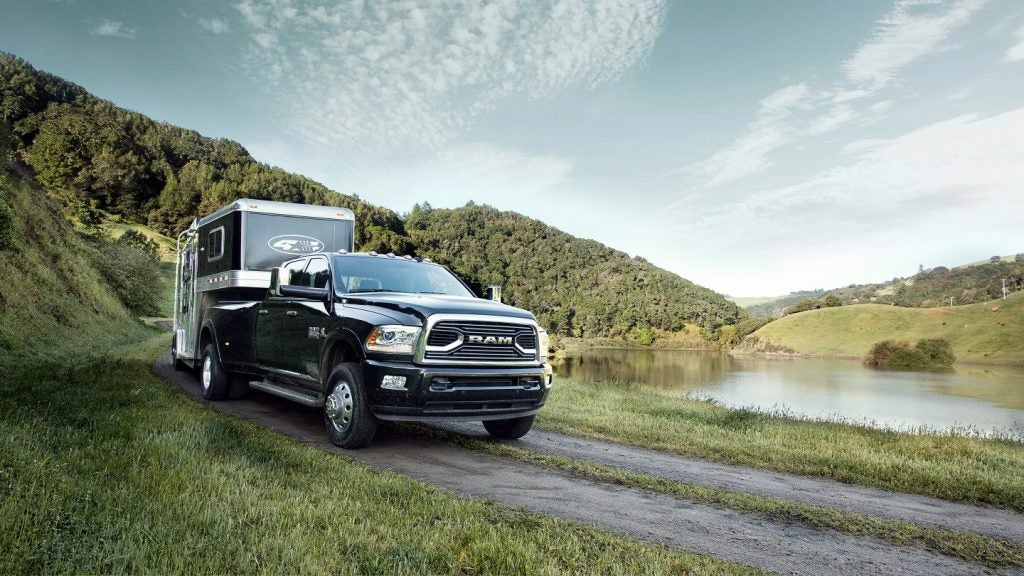
Ram 3500 with Towing Trailer

Best Ram Truck for Your Business: Ram 2500 vs. Ram 3500

Choosing the right truck for your business is a big decision, especially when it comes to capability, durability, and long-term maintenance costs. If your company relies on heavy towing, hauling, or worksite performance, the Ram 2500 and Ram 3500 are two of the best options available. But which one is the right fit for your business? Towing Capabilities: Heavy-Duty vs. Maximum Capacity The Ram 2500 is a powerhouse with a max towing capacity of 19,990 lbs when equipped with the available 6.7L Cummins Turbo Diesel engine. This makes it a great option for businesses that need to haul trailers, equipment, or large loads but don’t require extreme towing power. The Ram 3500, however, is built for serious heavy lifting. With the high-output Cummins engine, it can tow up to 37,090 lbs. when properly equipped. If your business involves large trailers, fifth-wheel towing, or frequent heavy-duty hauling, the 3500 is the better investment. Maintenance: Long-Term Costs Both trucks feature reusable differential gaskets, making maintenance easier and more cost-effective. Rather than replacing the entire gasket every time you service the differential, business owners can save on recurring maintenance costs. Standard Rear Suspension: Comfort vs. Payload The Ram 2500 comes with a five-link coil rear suspension, delivering a smoother ride—ideal for businesses requiring frequent city or highway driving. The Ram 3500, on the other hand, has leaf spring rear suspension, which provides higher payload capacity but a stiffer ride. Which Ram Truck Is Right for Your Business? If you need high towing capacity and maximum durability, go with the Ram 3500. If a balance between power and ride comfort matters more, the Ram 2500 is the way to go. Either way, Ram trucks deliver the performance your business needs. Check out website for a full inventory, or come in for a test drive!

Ram 1500 vs. 2500 vs. 3500: Towing Capacity Comparison

When it comes to towing power, Ram trucks are at the forefront, offering a range of capabilities tailored to different needs. Whether you’re towing a small trailer, a camper, or heavy machinery, the Ram 1500, 2500, and 3500 deliver varying levels of strength to suit your lifestyle. Let’s compare their towing capacities. Ram 1500: Everyday Versatility The Ram 1500 is a light-duty pickup designed for drivers who need a capable truck for daily tasks. Equipped with the available High Output 3.0L Hurricane engine and and 521 lb-ft of torque, it boasts a maximum towing capacity of up to 12,750 pounds. This makes it perfect for towing boats, small campers, or utility trailers while still offering a comfortable ride and excellent fuel efficiency. Ram 2500: Heavy-Duty Power Stepping into the heavy-duty category, the Ram 2500 is ideal for larger jobs. With the 6.7L Cummins® Turbo Diesel I6 engine, the Ram 2500 can tow up to 20,000 pounds. This truck shines in its ability to handle fifth-wheel trailers, large RVs, or substantial loads for work or recreation, making it a favorite among contractors and outdoor enthusiasts. Ram 3500: Maximum Muscle For the ultimate towing capability, the Ram 3500 reigns supreme. Equipped with the High-Output 6.7L Cummins® Turbo Diesel I6 engine, it delivers a jaw-dropping towing capacity of up to 37,090 pounds. This powerhouse is perfect for commercial use, such as transporting heavy equipment, or for hauling oversized trailers with ease. Which One is Right for You? The Ram 1500 is versatile for everyday use, the Ram 2500 strikes a balance for bigger jobs, and the Ram 3500 offers unmatched towing muscle. Your choice depends on your towing needs. Whether you’re managing light loads or tackling the heaviest of hauls, check out our current inventory to see if there’s a Ram truck for you!